Four installs that cover most same-room nights. Pictures go to the store. Then: two phones vs one, then notes.
Tick Tock · install first
Two phones, offline, voice co-op Google Play
· Notes ↓Keep Talking · one copy
Loud asymmetric bomb defusal Google Play
· Notes ↓7 Wonders Duel · pass-and-play
Two-player drafting on one phone Google Play
· Notes ↓Jaipur · ~10 min
Trading duel, one-phone filler Google Play
· Notes ↓
In one line: two charged phones → Tick Tock (then The Past Within). Loud night, one purchase → Keep Talking. One phone and board-game taste → 7 Wonders Duel or Jaipur. Party / only one device / free deck builder live further down.
Same-room two-player Android - each person on their own phone
I want games my fiancée and I can play in the same room without treating one phone as a tiny TV we both crowd around. Shared-screen multiplayer is fine in a pinch. It is not what I am optimizing for. I also want options that match our board-game taste - drafting, trading, short competitive duels - not only party shouting games that peak at six people.
There is a second reason this list exists. I am building Clave, a partner-dance Android game, so same-room two-player design is research as well as entertainment. Anything that forces two people to talk across private information, or that treats two bodies as part of the input, is especially useful to try before I invent more mechanics myself.
This post is the short decision guide. Underneath it is a Perplexity multi-model council pass that ranked local Android multiplayer; the council notes live linked at the bottom if you want the full agreement table and sources.
Two phones vs one phone is the real fork
Most "best two-player Android" lists collapse three different setups into one ranking:
Two phones, no shared screen - each person has their own device; talk or shout to coordinate
One phone, pass-and-play or hotseat - board and card games where turns are sequential
One phone, both thumbs at once - opposite ends of the same screen, or both hands on one device
If you prefer separate devices the way I do, the first bucket is the default. The second is the permanent filler for the couch when only one phone is charged. The third is the airport and bar fallback when there truly is only one device. Ranking them as if they were the same product category is how you end up installing a minigame pack and wondering why it does not feel like Diplomacy or 7 Wonders Duel.
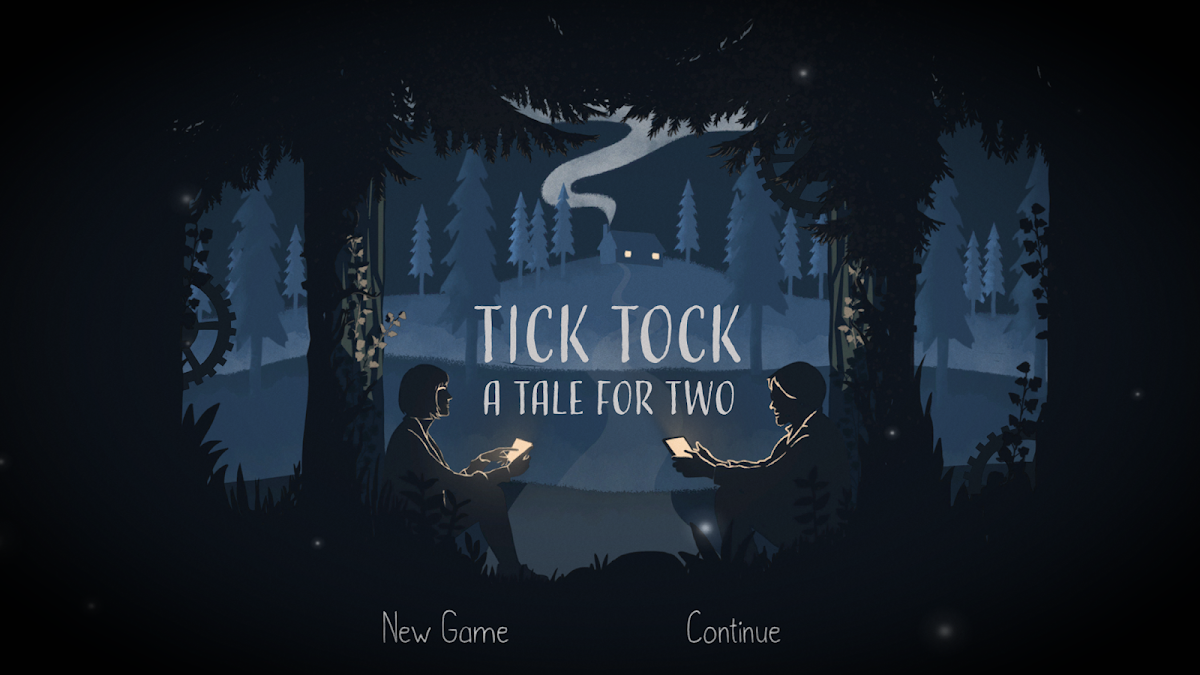
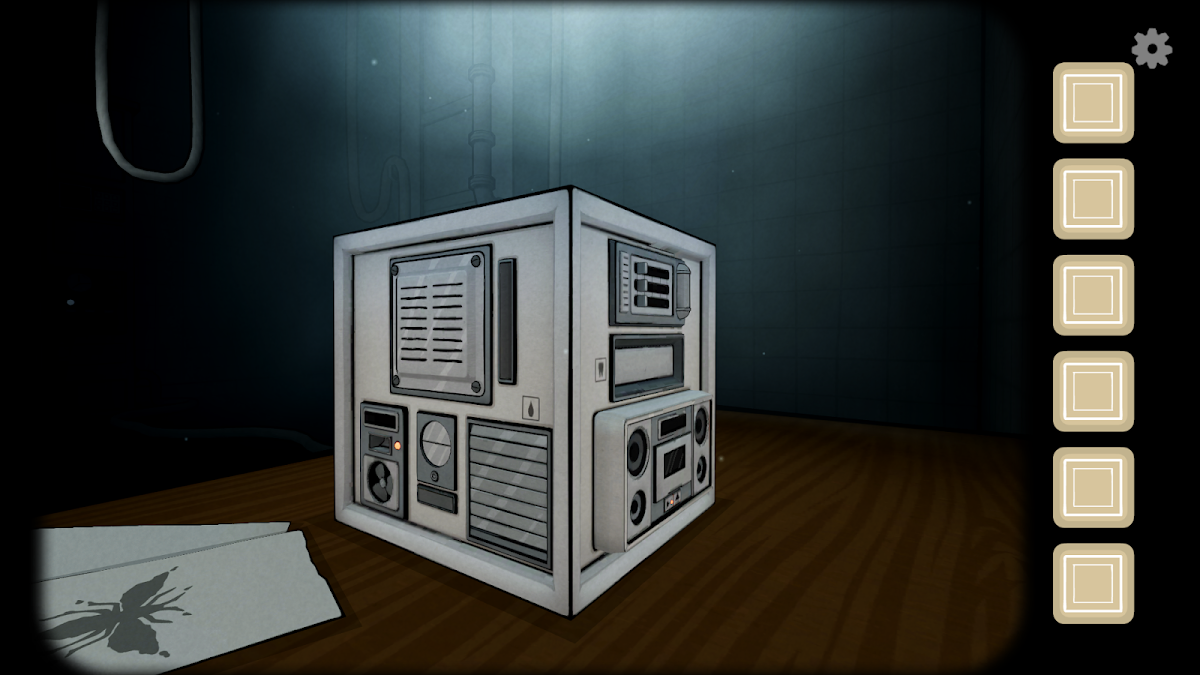
Tick Tock: A Tale for Two - offline two-phone co-op
Tick Tock: A Tale for TwoThe Past Within
Tick Tock is the cleanest pure two-device pick I found. Each person buys their own copy, picks Player 1 or Player 2, and the game never needs to talk to the other phone. Sync happens through your voices: you describe clocks, panels, and rooms until both sides progress. That makes it the best airplane and dead-Wi-Fi option in this post, and it is also the closest shipped analogue to the architecture I want for Clave - two private views, one shared conversation.
The tradeoff is real: two purchases, no split-screen fallback if only one of you downloads it. If the format lands, follow it with The Past Within, the deeper Rusty Lake asymmetric co-op where one player is in the past and one in the future. Same two-copy, voice-only structure; more story weight.
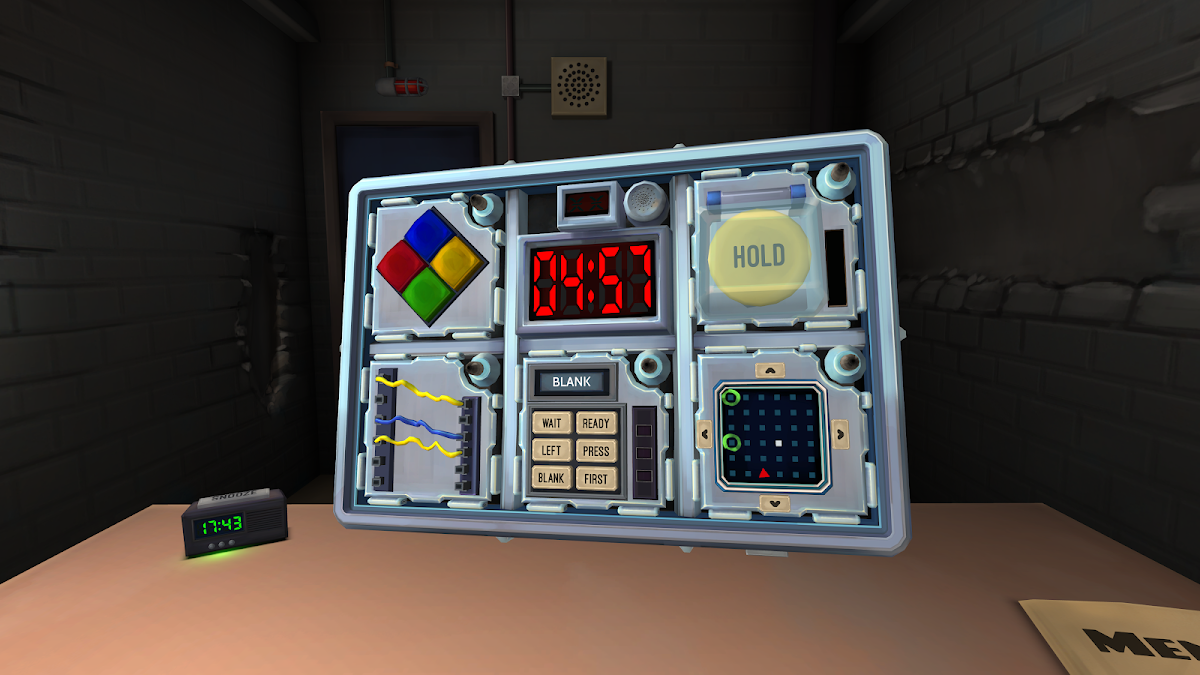
Keep Talking and Nobody Explodes - loud asymmetric classic
Keep Talking and Nobody Explodes
If you want the adrenal same-room night, this is still the pillar. One person has the bomb on a screen. Everyone else has the manual - on a second phone, a laptop, or a printout - and must talk the defuser through modules without seeing the device. It is marketed as in-person only; there is no online mode to hide behind. You only need one purchased copy of the game.
The design maps almost exactly onto the asymmetric-information tension in The Resistance and Diplomacy: incomplete information, time pressure, and trust under stress. For a duo specifically it is stronger than party games that only get good at four or more.
Spaceteam and BombSquad - party tools with caveats
SpaceteamBombSquad
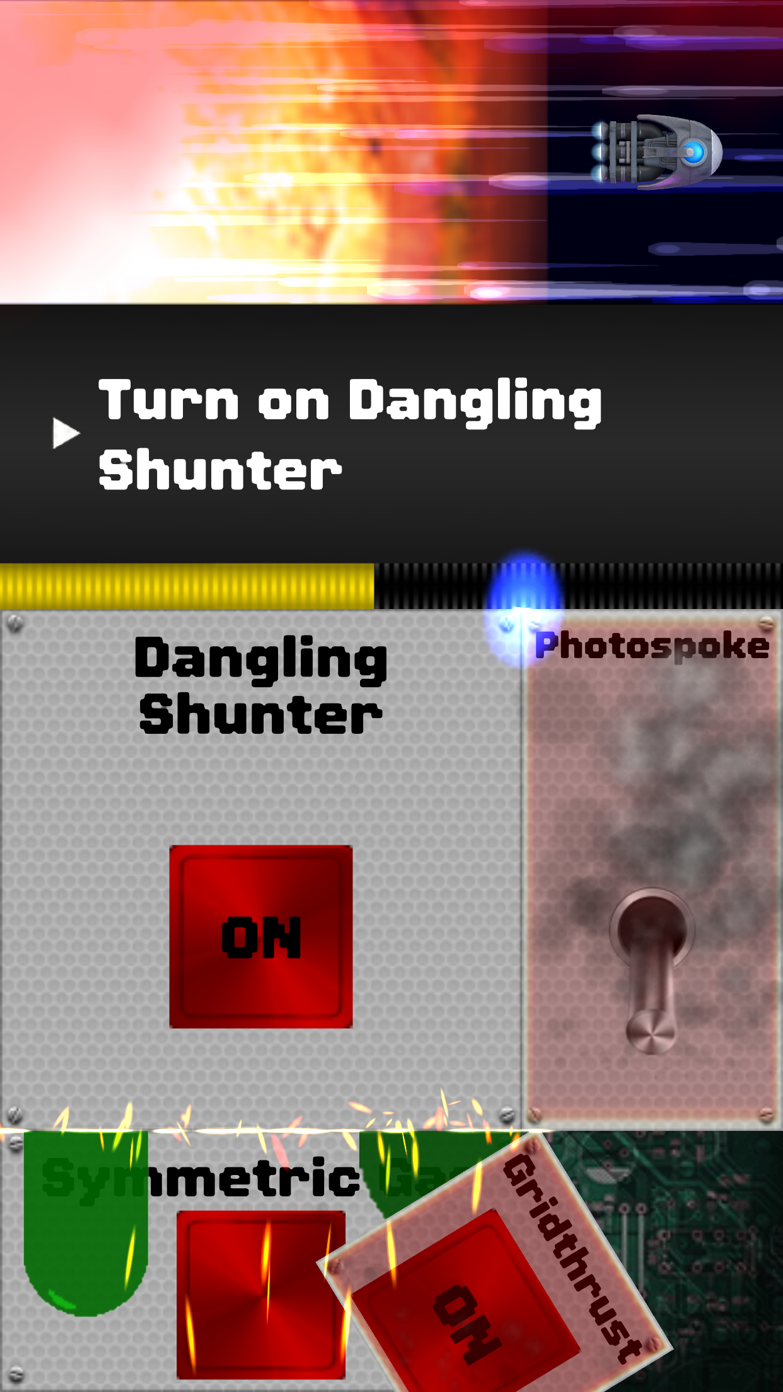
Spaceteam is free local co-op where each phone is a control panel and you shout nonsensical instructions at each other over Wi-Fi or Bluetooth. It satisfies the "everyone on their own device" rule and scales past two. Before you plan an evening around it, install and test: the Play Store build has sat at 3.0.2 with reports of broken pieces and unlock codes distributed manually by the developer. Fragile is not the same as dead, but it is not something to discover mid-party.
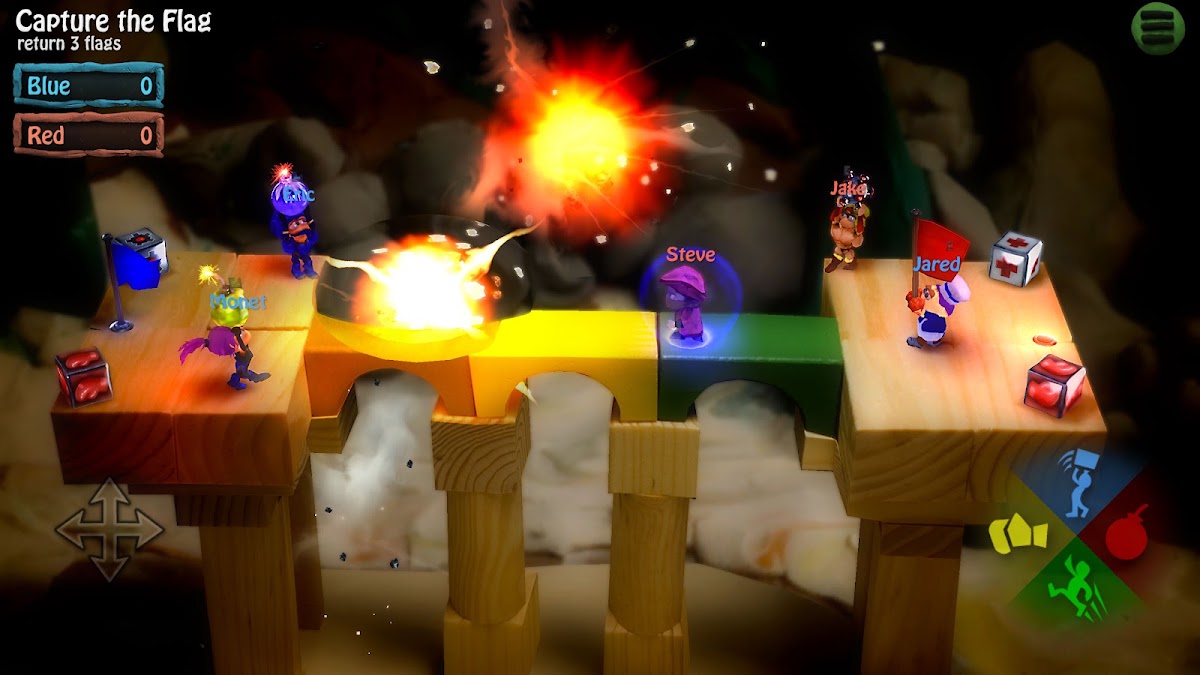
BombSquad is the physics-chaos option - phones as gamepads, local or networked multiplayer up to a crowd. It is genuinely great. Two players is below its sweet spot. Keep it for nights when a third or fourth person shows up.
7 Wonders Duel, Jaipur, Star Realms - board-game pass-and-play
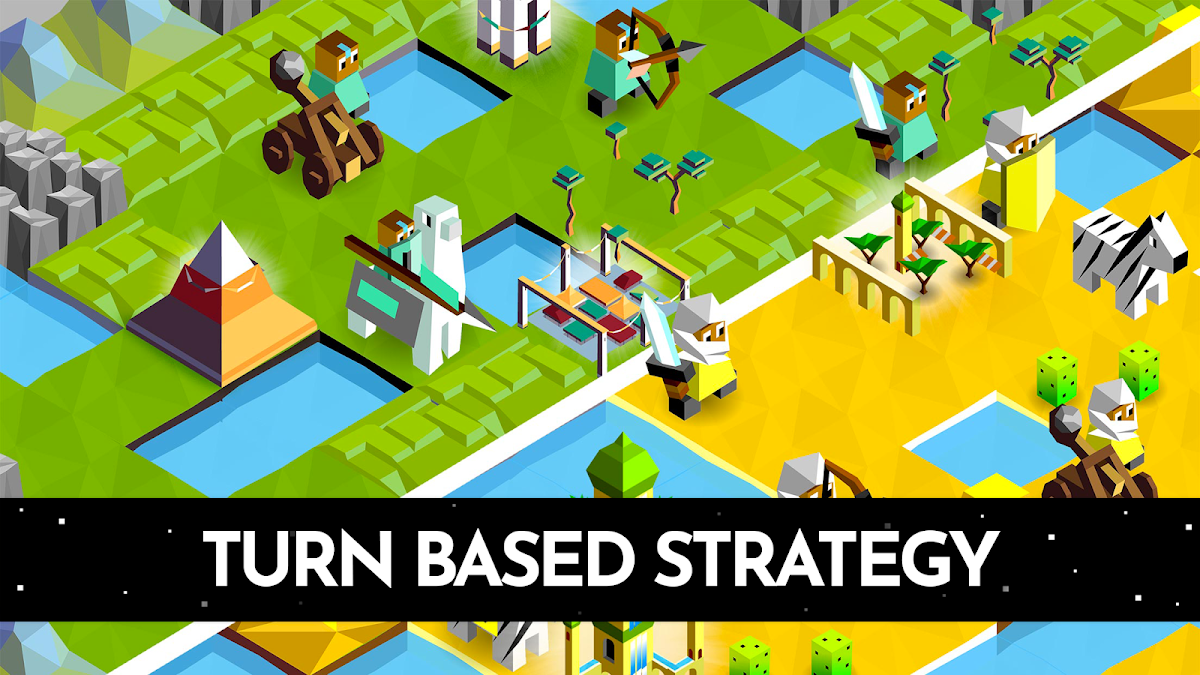
7 Wonders DuelJaipurStar RealmsThe Battle of Polytopia
For the taste profile I actually play - short competitive two-player games - official board apps beat random arcade minigame packs.
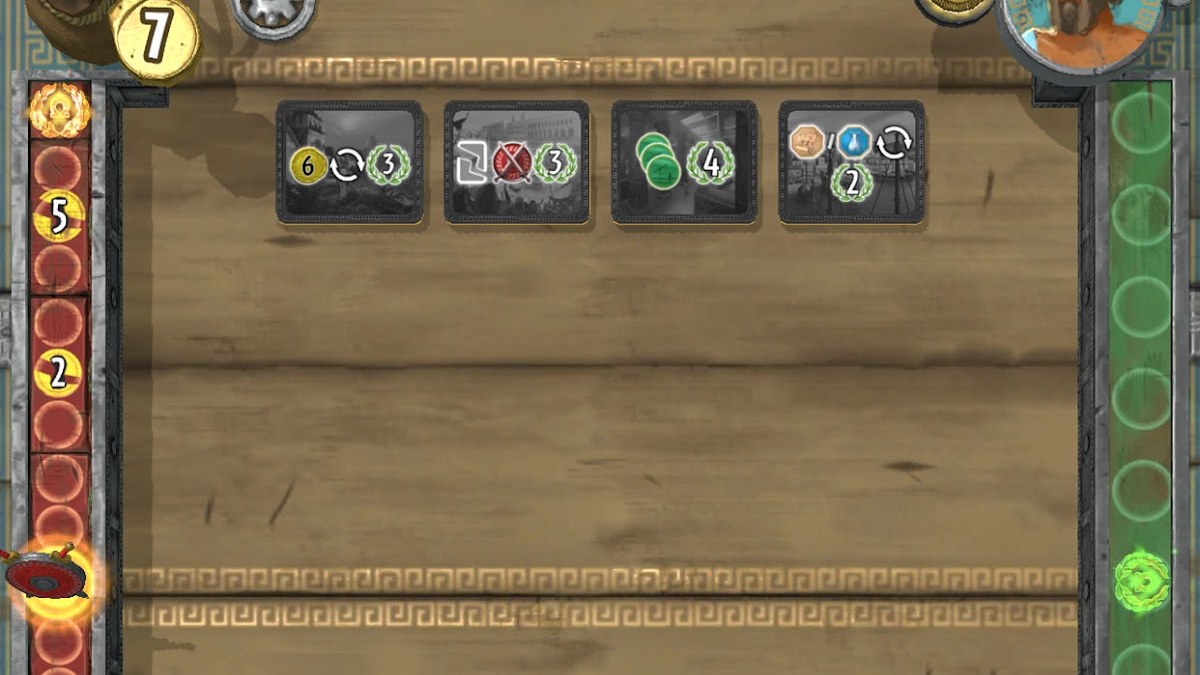
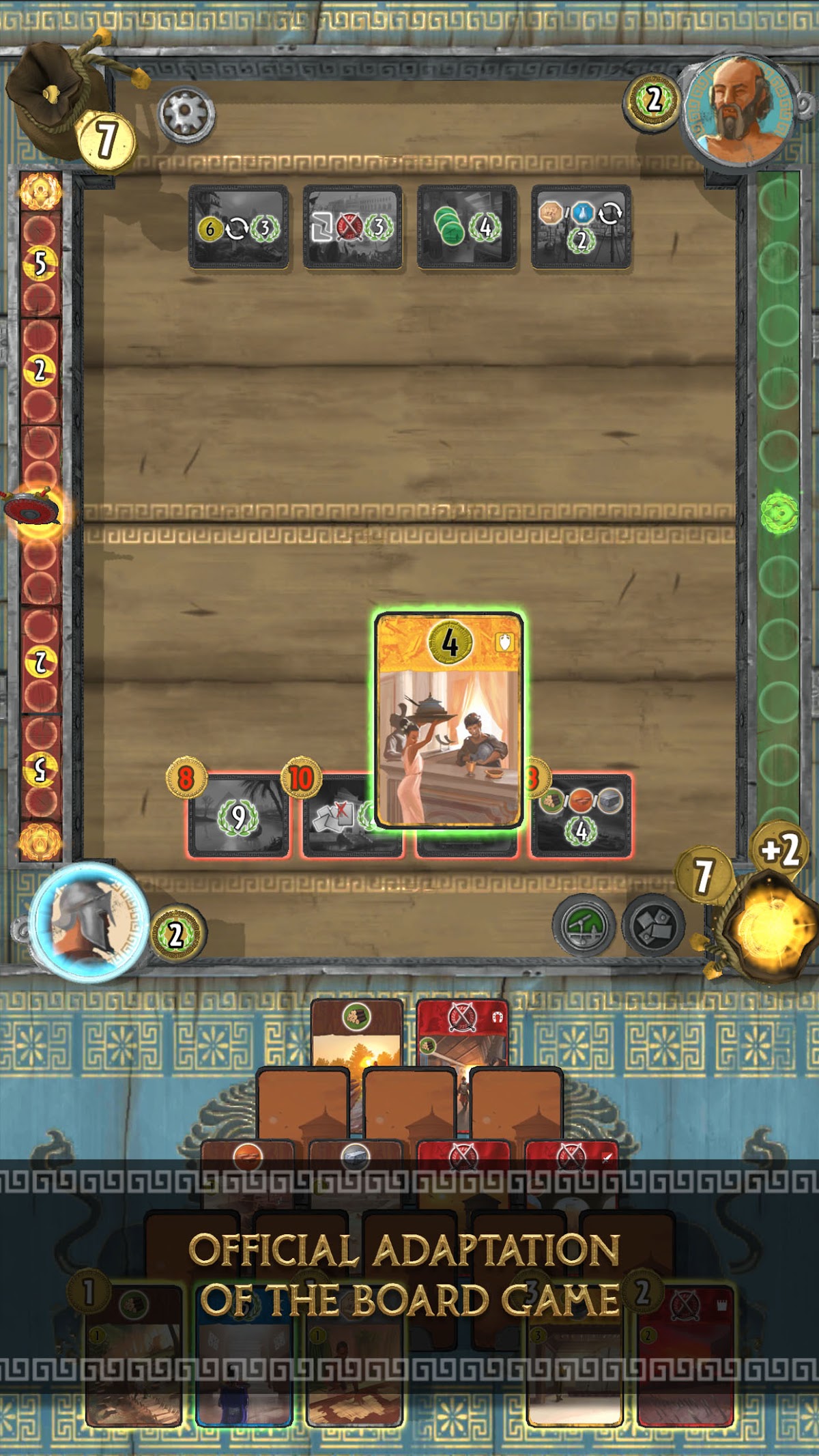
7 Wonders Duel - two-player-native drafting, official app, pass-and-play
Jaipur - ten-minute trading duel with scoring automated
Star Realms - free to start, two-player-only by design, pass-and-play, closest to poker tempo and risk among the digital decks
Polytopia - longer 4X sessions if you want depth over a quick second game
These live on one phone and rotate between hands. That is a different social texture than Tick Tock or Keep Talking, and it is the right one when you want competitive structure without shouting module names across the kitchen.
When only one phone is available, Duel Otters is the purpose-built opposite-ends-of-one-screen pick. It is the right answer for the bar case, not the default for a full evening at home.
Two side notes from the research that matter for my household and my project more than for a generic list:
Chess.com "Play in Person" hotseat - zero-friction if one of you already plays chess
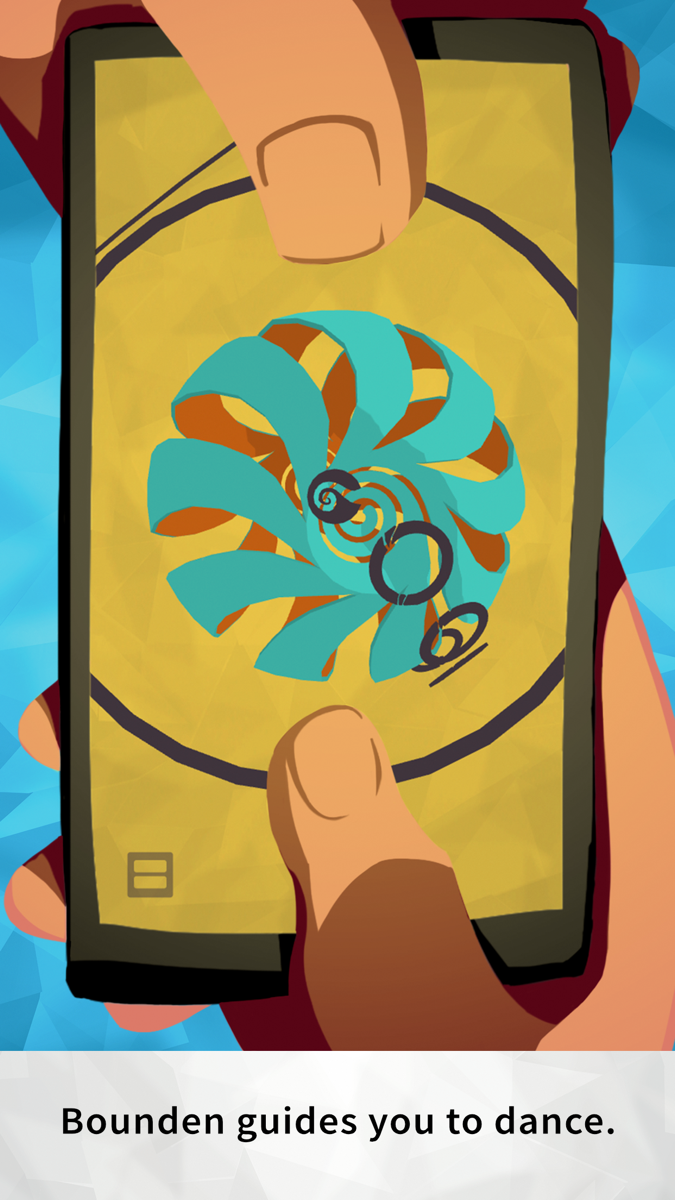
Bounden - two players hold opposite ends of one phone and rotate through ballet-choreographed movement. Direct prior art for Clave. Play Store availability has been inconsistent; verify the listing before you depend on it
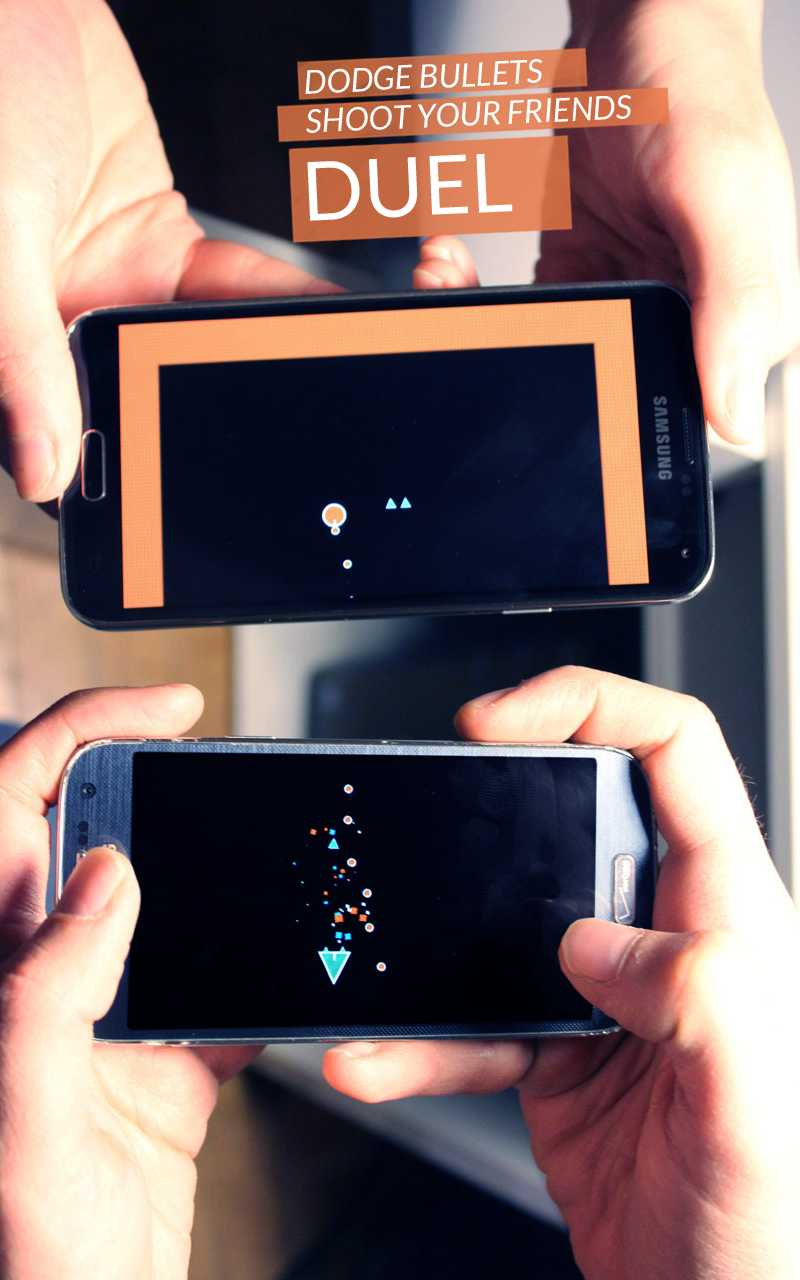
Worth knowing if you go hunting further: DUAL! makes shooting from one phone screen onto the other the whole mechanic over local Wi-Fi or Bluetooth. Fun novelty; not the permanent install trio.
How I would map the choice
Situation
Install
Full offline evening, two phones, talk to progress
Tick Tock: A Tale for Two
Same idea, deeper story after Tick Tock lands
The Past Within
Loud asymmetric pressure, one copy
Keep Talking and Nobody Explodes
Permanent pass-and-play on one phone
7 Wonders Duel or Jaipur
Free competitive deck builder
Star Realms
Only one phone in the bag
Duel Otters
Party night, after a test install
Spaceteam (verify first) or BombSquad
Chess already in the household
Chess.com Play in Person
What I would install first
Tick Tock: A Tale for Two - two phones, fully offline, design-relevant
7 Wonders Duel or Jaipur - permanent one-phone filler
Keep Talking and Nobody Explodes - when you want the loud version
Then The Past Within if asymmetric co-op clicks, Duel Otters as the free one-phone safety net, and Spaceteam only after a successful test install on both devices.
The decision is less "which game is best" than "which setup are we in tonight": two charged phones and a quiet room, one phone and twenty minutes, or a table full of people who want to shout. Match the install to that, and the Android two-player problem mostly dissolves.
Research notes
This post is the decision-facing writeup. Underneath it is a Perplexity multi-model council pass (GPT-5.6 Sol Thinking, Claude Opus 5 Thinking, Kimi K3) that ranked same-room two-player Android games before I chose what to install first.